The Architecture of Calm
How Space, Light, and Landscape Shape the Way We Feel
We often underestimate how deeply our surroundings affect us.
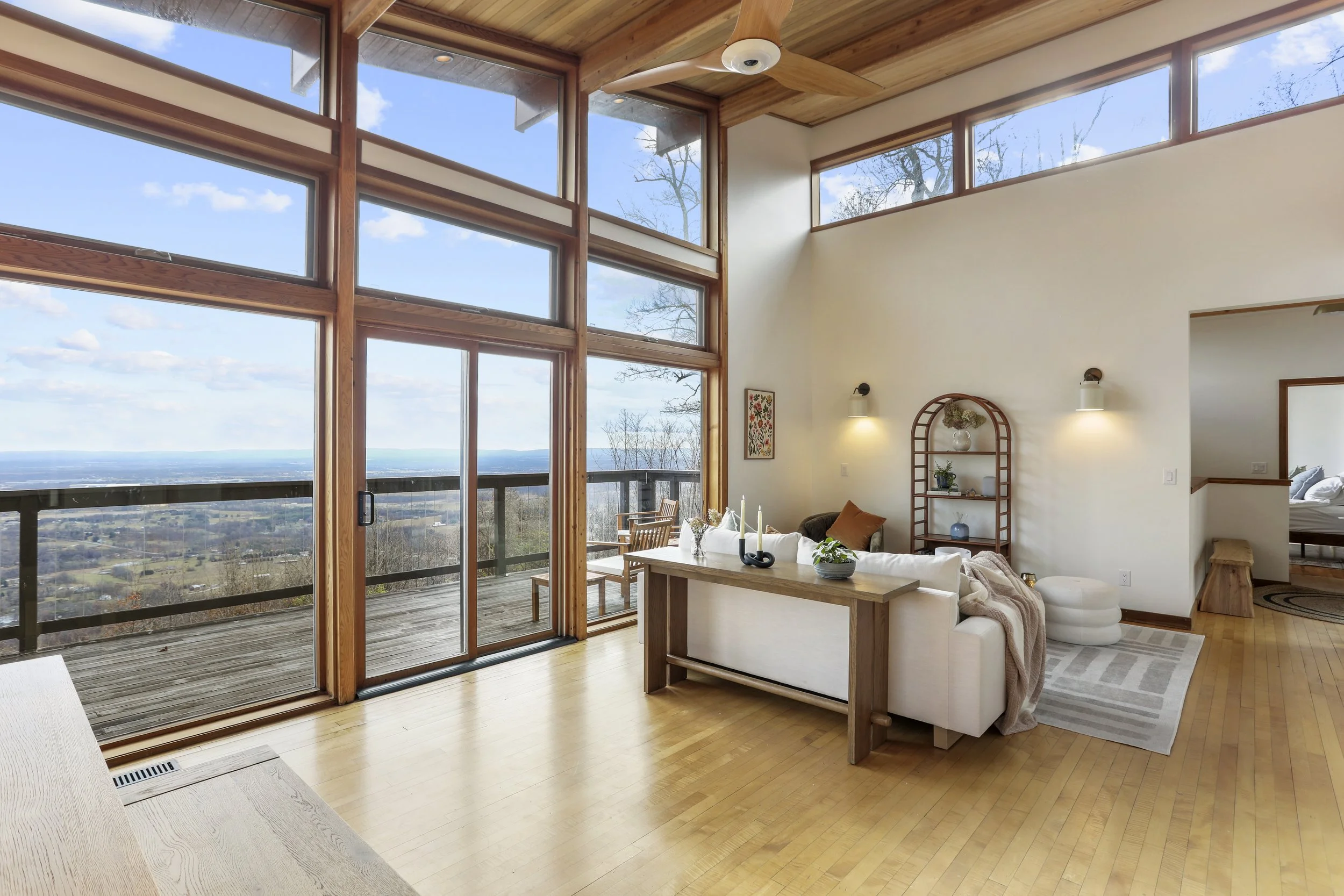
Light influences mood. Ceiling height alters thought patterns. Views change breathing. Materials communicate temperature, safety, and permanence long before the mind forms an opinion.
Calm is not accidental — it is designed.
Spaces that invite rest tend to share common qualities: simplicity, natural materials, intentional views, and a lack of visual noise. They don’t overwhelm. They don’t demand attention. They allow the mind to soften its edges.
When architecture works in harmony with landscape, the boundary between inside and outside dissolves. You feel grounded without being confined. Sheltered without being closed off.
This matters because true rest doesn’t come from distraction — it comes from environments that support stillness. A well-designed retreat doesn’t tell you to relax. It removes the reasons you can’t.
Guests often say they sleep better, breathe deeper, or feel calmer without knowing why. The explanation lives in the details: the way light enters a room, the way the land holds the building, the absence of excess.
Calm, when thoughtfully shaped, becomes effortless.
If you’re curious how intentional space and landscape come together here, you can explore the retreat in more detail here.
