The Quiet Is Doing Something to You
Why Time Away from Noise Is Essential for Mental Clarity
Modern life trains us to exist in a constant state of reaction. Notifications, schedules, expectations, and ambient noise quietly compete for attention from the moment we wake up. Over time, this becomes our baseline — not because it’s healthy, but because it’s familiar.
What most people don’t realize is that quiet is not passive. It’s active. It does something to the nervous system.
When external stimulation drops, the brain shifts out of vigilance mode. Cortisol levels ease. Thought patterns slow. You stop scanning for the next demand and begin noticing what’s already present. This is why the first hours in a quiet place can feel uncomfortable — the mind is still shedding momentum.
But if you stay with it, something changes.
Mental clarity isn’t achieved by effort; it’s revealed by subtraction. Without the constant pull of input, your thoughts become less fragmented. Decisions feel simpler. Problems lose their emotional charge. You remember what it feels like to think in complete sentences again.
This is one of the deepest benefits of stepping away from busy life — not escape, but recalibration.
Quiet environments also restore a sense of internal pacing. You wake without an alarm. You eat without rushing. You walk without destination. These small shifts signal safety to the body, which allows deeper rest than sleep alone can provide.
People often return from quiet retreats saying they feel “lighter” or “clearer,” without being able to pinpoint why. The reason is simple: the noise stopped asking something of them.
In a world optimized for speed, choosing stillness is not indulgent — it’s corrective.
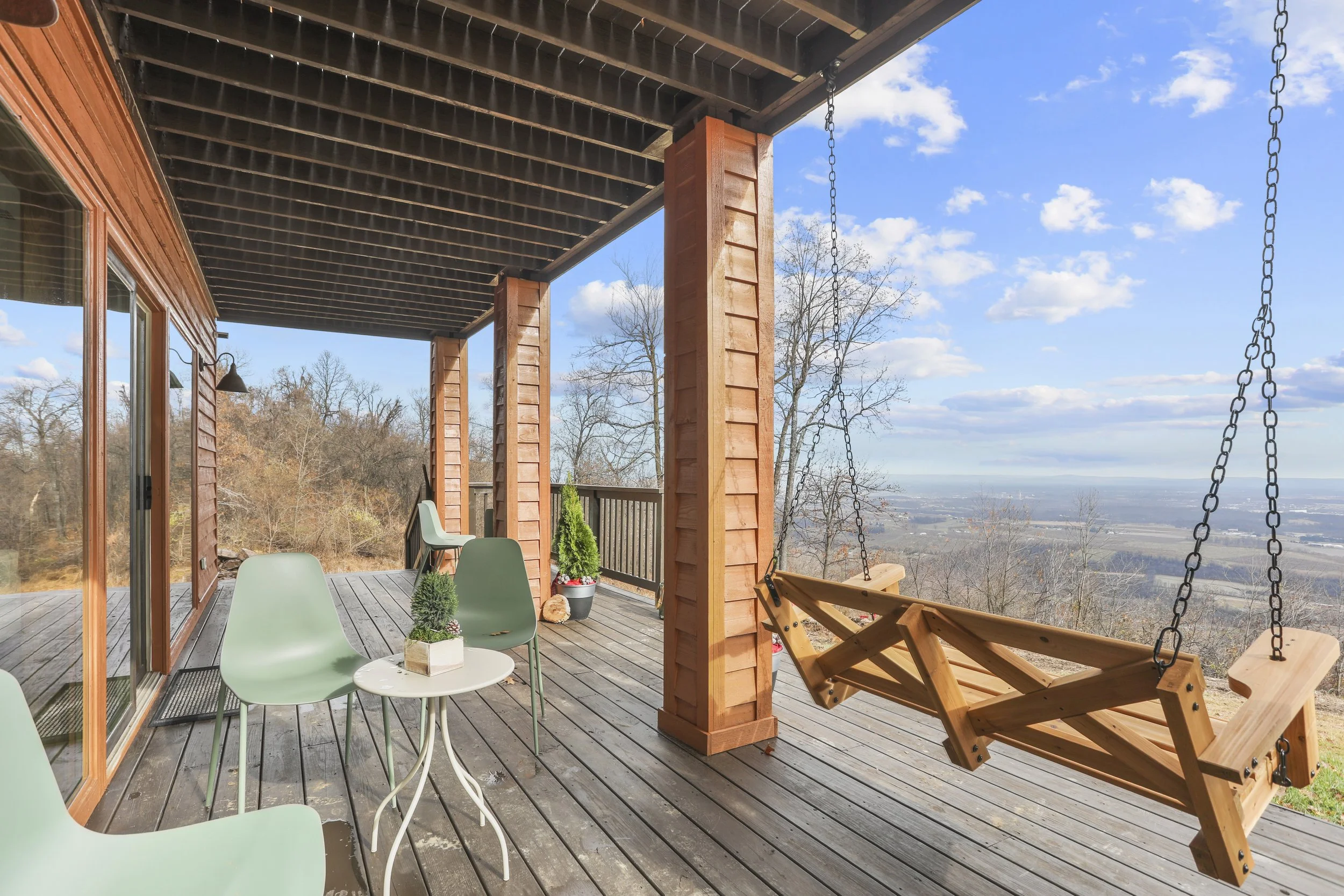
If you’re curious what it feels like to let the noise fall away completely, you can learn more about the mountain retreat here.
