Why Hiking Changes the Way You Think
The Cognitive and Emotional Benefits of Walking in Nature
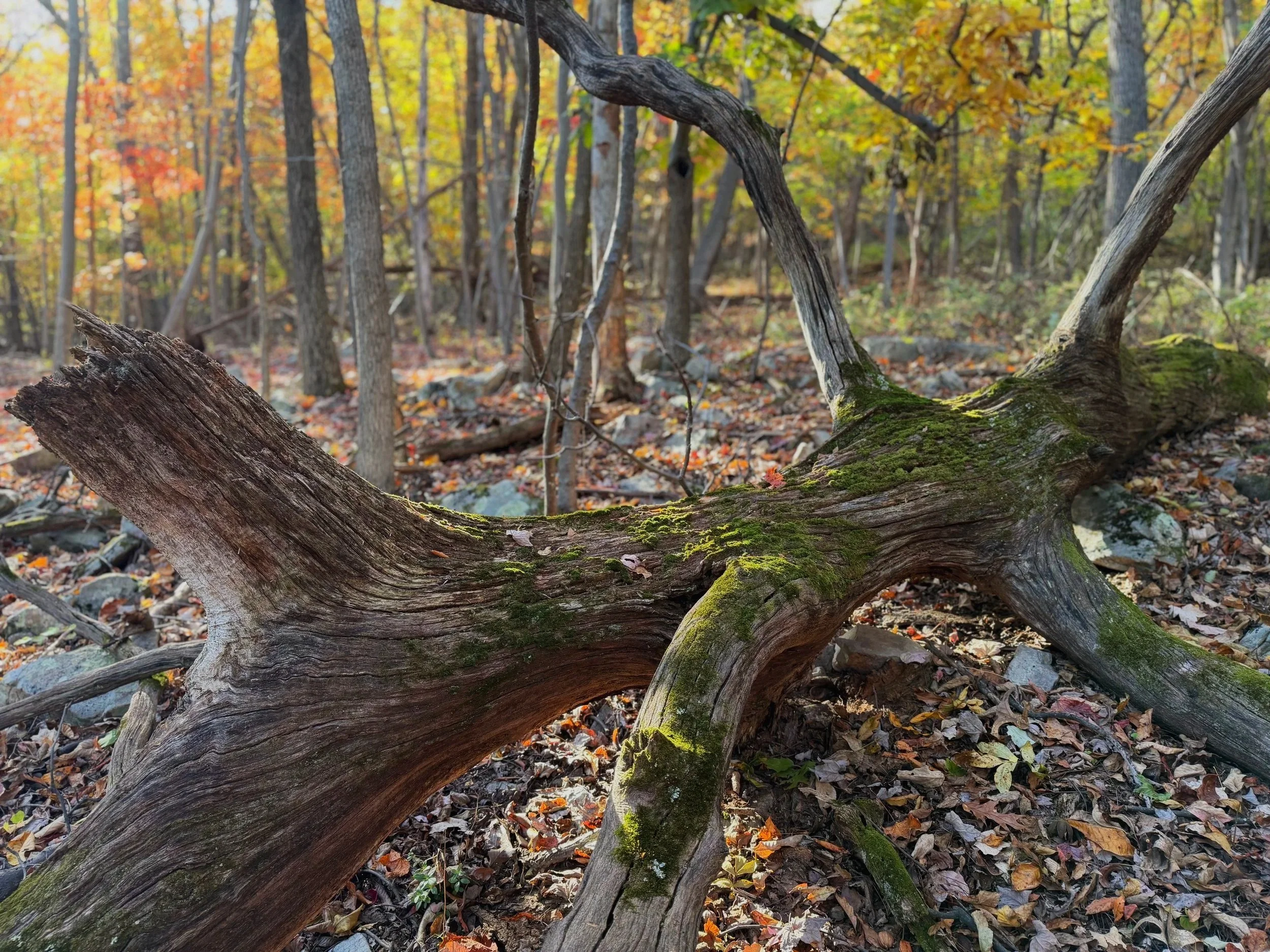
Hiking is often framed as exercise, but its most powerful effects have little to do with fitness.
When you walk through natural terrain, your brain processes information differently. Unlike urban environments — which demand constant micro-decisions — natural landscapes offer what psychologists call soft fascination. Your attention is gently held, not hijacked.
The result is cognitive restoration.
Studies show that walking in nature improves memory, creativity, and emotional regulation. But beyond the data, there’s a more intuitive truth: movement through land untangles thought.
On a trail, your body sets the pace. Your breath finds rhythm. Your senses engage without overload. This creates space for reflection that doesn’t feel forced. Problems are approached obliquely rather than head-on — and often resolve themselves without effort.
Hiking also reintroduces proportionality. A hill reminds you of effort. A view reminds you of scale. Weather reminds you of impermanence. These aren’t metaphors — they are embodied experiences that recalibrate perspective.
Many guests describe their best insights arriving mid-walk, not while “trying to think,” but while simply moving forward. This isn’t accidental. Walking integrates the mind and body in a way sitting rarely does.
There’s also a quiet confidence that comes from navigating terrain under your own power. Even an easy trail restores a sense of capability that modern convenience subtly erodes.
Hiking doesn’t demand productivity. It doesn’t reward speed. It invites presence.
And presence, sustained long enough, becomes clarity.
For those who feel most clear while moving through the land, you can explore the trails and setting of the retreat here.
