Regulation Is Not Relaxation
Relaxation is often treated as the goal.
We look for it at the end of long days, in brief escapes, in moments when responsibility loosens its grip. Relaxation is framed as relief — a temporary easing of pressure. And while it can feel pleasant, it is often misunderstood as the same thing as restoration.
Regulation is different.
Relaxation is a state. Regulation is a capacity.
You can be relaxed without being regulated. You can lie still while your nervous system remains on alert. You can distract yourself into calm while internal systems stay unresolved. This is why some forms of rest don’t actually restore — they pause stimulation without repairing imbalance.
Regulation refers to the nervous system’s ability to move fluidly between states. To activate when necessary. To settle when no longer required. It is not about staying calm at all times; it is about responsiveness without residue.
Many people today are not dysregulated because of acute stress, but because of chronic, low-grade demand.
Constant input, ambient urgency, and unbroken attention keep the nervous system partially activated even during moments of rest. Over time, this creates a baseline of tension that feels normal. Relaxation becomes shallow. Calm feels temporary.
This is why simply “taking time off” often doesn’t work.
Without a change in conditions, the nervous system doesn’t receive the signal that it is safe to downshift. Thought continues scanning. Muscles stay subtly braced. Attention remains divided.
Regulation requires different inputs.
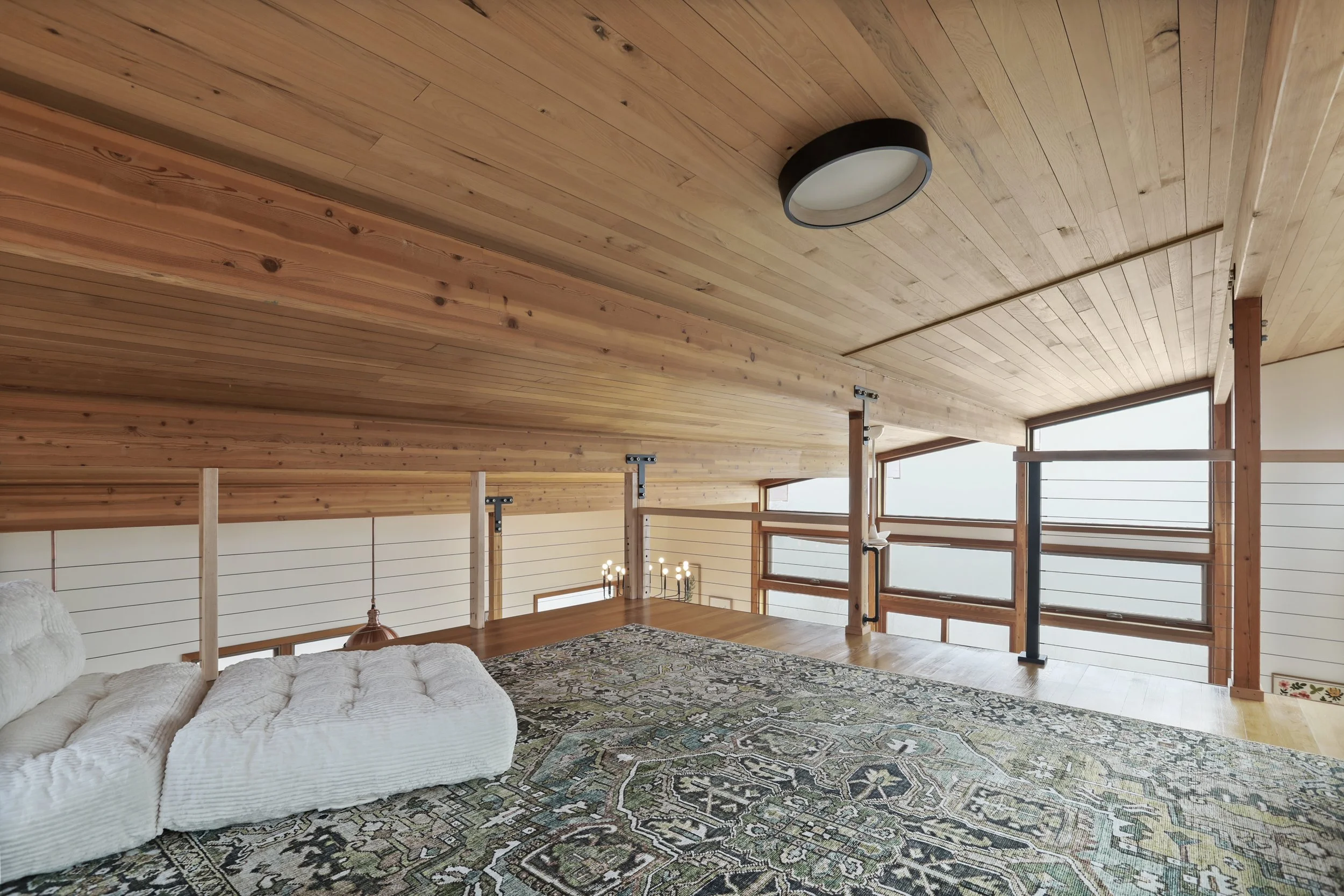
It requires environments where nothing is being asked of you. Where pace is unforced. Where sound, light, and movement are predictable rather than intrusive. In these conditions, the body begins to recalibrate on its own.
Nature provides this naturally.
Natural environments reduce cognitive load. They lack alerts, sharp edges, and competing signals. The absence of artificial urgency allows the nervous system to complete stress responses rather than suppress them. Breath deepens. Muscles release incrementally. Attention widens.
Silence plays a similar role.
Without constant auditory stimulation, the brain reduces vigilance. Internal rhythms reassert themselves. This is not boredom — it is regulation in progress.
Importantly, regulation does not require effort.
It cannot be forced through technique or willpower. It emerges when the right conditions are present long enough. This is why people often report feeling “better without knowing why” after time spent in quiet, natural settings.
Once regulation is restored, relaxation follows naturally.
Rest becomes deeper. Sleep improves. Emotional responses feel proportional rather than amplified. Presence becomes easier to access.
Understanding this distinction changes how rest is approached.
Instead of asking, “How can I relax more?” the more useful question becomes, “What conditions allow my system to settle?”
When those conditions are met, calm is no longer something you chase. It becomes something you return to.
For those drawn to environments that support regulation rather than distraction — places shaped by quiet, landscape, and unstructured time — you can explore the mountain setting here.
Not to escape life, but to reset how it’s met.
