Nature As A Non‑verbal Teacher
Nature teaches without instruction.
There are no lessons to memorize, no principles to apply, no outcomes to measure. And yet, time spent in natural environments reliably changes how people feel, think, and perceive themselves. This change does not come from information. It comes from exposure.
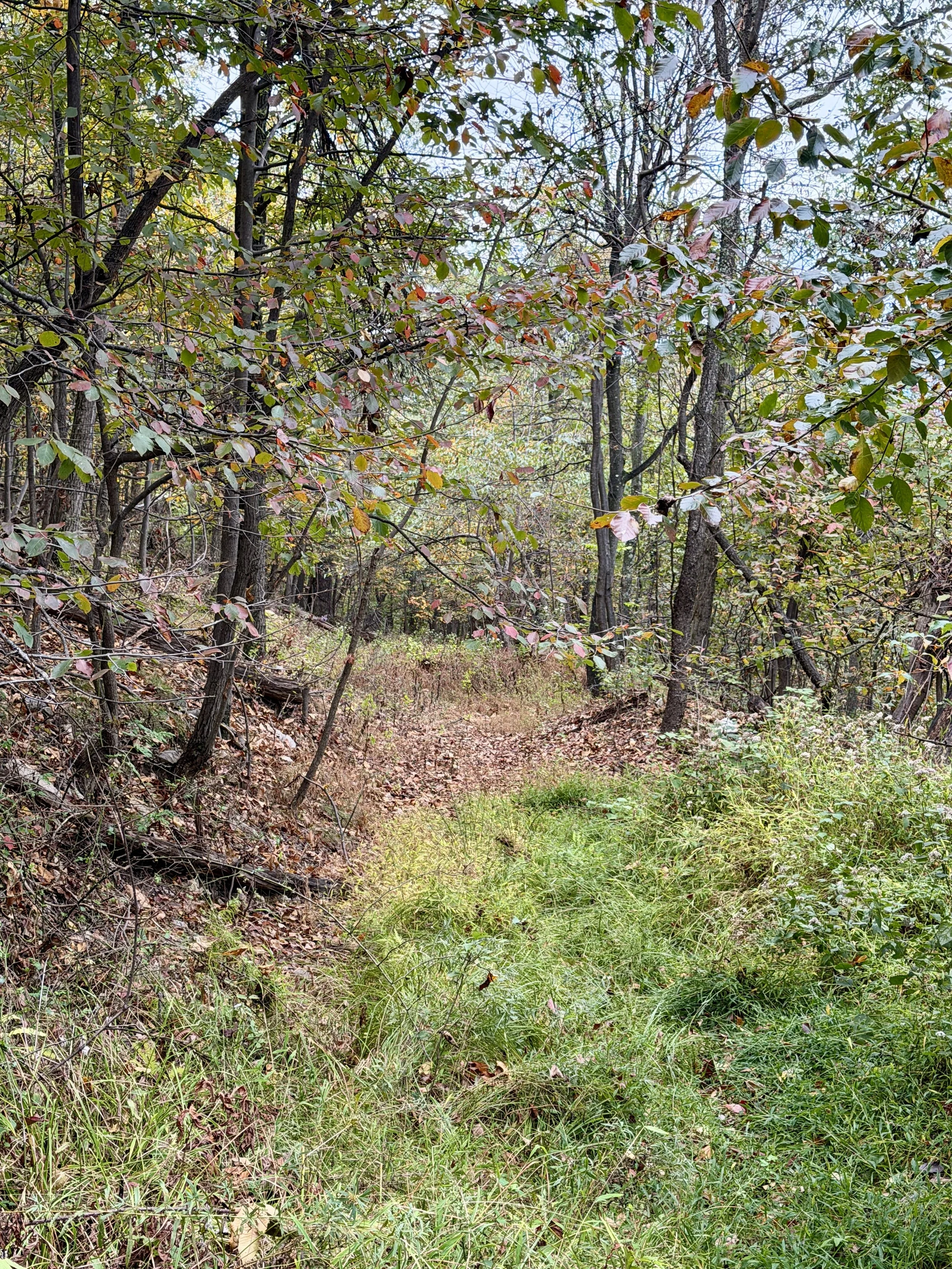
Human learning is often framed as conceptual — something acquired through language, explanation, and repetition. Nature operates differently. It communicates through pattern, rhythm, and proportion. The body understands these signals immediately, long before the mind attempts to interpret them.
A forest does not tell you to slow down. It simply moves at a pace that makes rushing unnecessary. A horizon does not explain perspective. It gives it to you. Weather does not negotiate. It adjusts, and the body learns to do the same.
This is why nature feels instructive without being prescriptive.
In the absence of signage and commentary, attention shifts from analysis to perception. The mind stops asking what something means and begins to notice what it is like. Light through branches. Ground beneath feet. Wind moving across skin. These sensations carry information — not as ideas, but as regulation.
The nervous system responds first.
Heart rate slows. Breathing deepens. Muscle tension releases incrementally. This is not imagination; it is physiology. Natural environments reduce the need for vigilance. Without artificial stimuli demanding response, the brain’s threat-detection systems downshift. Awareness widens.
In this state, the body becomes more teachable.
You begin to feel cause and effect again. Walk too fast and breathing tightens. Sit still and warmth spreads. Stay long enough and restlessness resolves on its own. Nature provides immediate feedback, not through judgment, but through sensation.
This is a form of learning that does not require effort.
Unlike verbal instruction, which asks the mind to remember and apply, non-verbal learning integrates automatically. The body absorbs rhythm. The senses recalibrate. Attention settles where it is supported.
Over time, patterns emerge.
You notice that nothing in nature hurries, yet nothing is delayed. Growth happens without strain. Rest follows exertion. Cycles replace urgency. These are not metaphors — they are lived references that subtly reorganize internal expectations.
Many people describe this as perspective returning.
Problems do not disappear, but they shrink to their actual size. Thought becomes less insistent. Identity softens. You remember that experience does not need to be managed every moment to be meaningful.
This is what makes nature such an effective teacher. It does not correct behavior. It changes context. And when context changes, behavior follows naturally.
Importantly, this learning is transferable.
Once the body remembers what regulation feels like, it becomes easier to recognize when it is lost. You begin to sense when pace is unsustainable, when attention is fragmented, when rest is needed. Nature does not make these decisions for you — it helps you feel them clearly.
This clarity is quiet, but enduring.
For those who feel drawn to landscapes that teach in this way — through silence, rhythm, and unspoken guidance — you can explore the mountain setting here.
No instruction required. Just time, and attention.
