Stillness Is Not Empty
Stillness is often misunderstood.
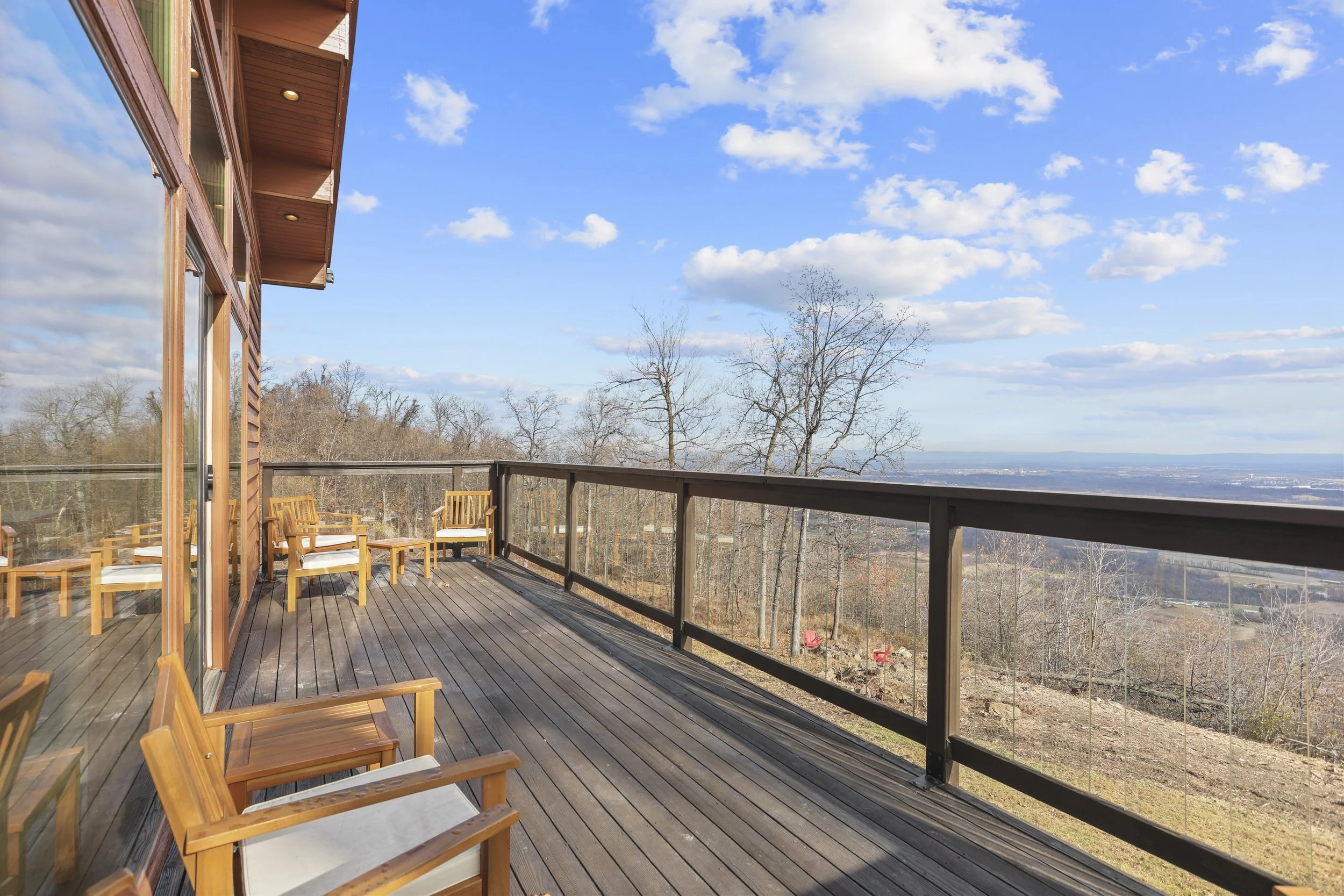
We tend to think of it as the absence of activity — a pause between moments that matter. Something passive. Something earned only after effort. But stillness is not empty, and it is not passive. It is a state of heightened awareness, one that modern life quietly trains us to avoid.
Most of the time, attention is pulled outward. Notifications, obligations, internal commentary — a constant stream that keeps the mind slightly ahead of the present moment. Even rest becomes another task to manage. The body may stop, but the mind continues to move.
Stillness interrupts this pattern.
When external stimulation reduces, something interesting happens internally. Thoughts don’t disappear, but they become easier to observe. Sensations that were previously drowned out — breath, posture, subtle tension — return to the foreground. Awareness shifts from doing to noticing.
This is the core insight echoed across contemplative traditions and modern psychology alike: peace is not created by controlling experience, but by relating to it differently.
The mind resists this at first. Silence can feel uncomfortable because it removes distraction, revealing the background noise we usually outrun. But when allowed to unfold without interference, that noise begins to settle on its own. Not through force, but through space.
Nature supports this process effortlessly.
Research into time spent in natural environments — often referred to as forest bathing — shows measurable reductions in stress hormones, improved mood, and enhanced cognitive clarity. But the deeper effect is qualitative rather than clinical. Natural settings do not demand attention; they invite it. There is nothing to solve. Nothing to optimize.
A tree does not ask anything of you. A horizon does not require interpretation. In these conditions, the nervous system exits performance mode and returns to regulation. Presence becomes less of a practice and more of a byproduct.
This is why moments in nature often feel longer, even when the clock says otherwise. Without constant mental projection into the future or rehearsal of the past, time is experienced directly. Fully. Now.
Being present is not about eliminating thought. It is about loosening identification with it.
When thoughts are seen as passing events rather than instructions, space opens between stimulus and response. In that space, choice reappears. You can feel an emotion without becoming it. You can experience a moment without immediately labeling it. This subtle shift changes how life is metabolized.
Stillness, then, is not withdrawal from engagement — it is the ground that makes sustainable engagement possible.
People often assume they need to change their lives to experience this kind of presence. In reality, what usually needs adjustment is pace, environment, and permission. Permission to stop filling every gap. Permission to let moments complete themselves.
Once this way of being is felt — even briefly — it becomes recognizable. Portable. You begin to notice how often urgency is assumed rather than required. How often silence is available but ignored.
Stillness is not something you manufacture. It’s something you allow by removing what obscures it.
For those who feel drawn to environments that naturally support this state — places shaped by quiet, landscape, and unstructured time — you can explore the mountain setting here.
No urgency. Just an invitation.
