The Quiet Skill Of Being Here
There is a subtle skill most of us were never taught: how to remain with a moment once it arrives.
We learn how to plan, how to anticipate, how to evaluate what has already happened. We become fluent in movement — mental, emotional, logistical. But presence, the simple act of being with what is happening now, is rarely cultivated with the same care.
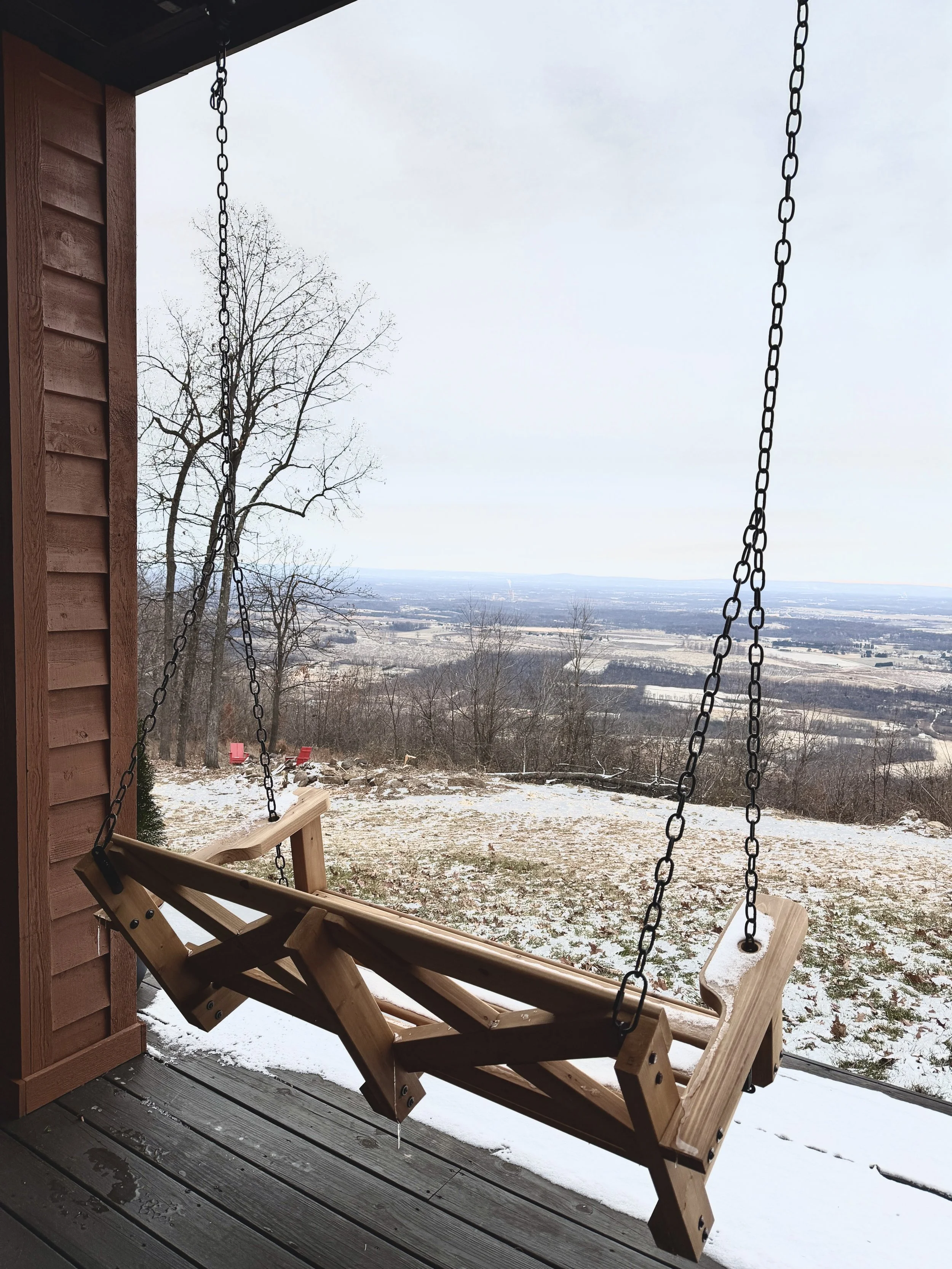
As a result, many people experience life one step removed. Even during moments meant to be restorative — a walk, a meal, a pause between obligations — attention drifts forward or backward. The body is here; the mind is elsewhere.
This disconnection is not a personal failure. It is a conditioned response.
Modern environments reward anticipation. Alerts, schedules, metrics, and expectations all pull awareness away from immediate experience. Over time, the nervous system adapts by staying slightly ahead of the present, scanning for what comes next. This creates efficiency, but it also creates fatigue.
Presence offers a counterbalance.
Being present does not mean silencing thought or manufacturing calm. It means allowing experience to unfold without interference. Sensations are felt directly rather than interpreted immediately. Sounds arrive without being categorized. Breath moves without being adjusted.
At first, this can feel surprisingly difficult. When external stimulation drops, internal noise becomes more noticeable. Thoughts that were previously masked by activity surface into awareness. Many people assume this means they are doing something wrong, when in fact they are encountering their mind without distraction for the first time.
If allowed to continue, something shifts.
Thoughts lose their urgency. They are seen as events rather than instructions. Emotions move through the body without becoming stories. Attention begins to rest rather than reach.
This is why silence and natural settings are so effective at restoring balance. They do not demand engagement. They do not require performance. In the absence of constant input, the nervous system receives a signal of safety. From there, regulation happens organically.
Time in nature, often described as forest bathing, demonstrates this clearly. Heart rate variability improves. Stress hormones decrease. But beyond measurable effects, there is a qualitative change: time feels less compressed. Moments feel complete.
This completeness is what many people are actually seeking when they say they want rest.
Rest is not merely stopping activity. It is allowing experience to resolve itself without interruption. Unstructured time supports this process. Without a schedule to obey, attention can linger. Thoughts can finish. Emotions can integrate. Insight arises not through effort, but through space.
Stillness plays a central role here. Not as an absence of movement, but as a state where nothing is being demanded of you. In stillness, awareness becomes self-sustaining. Presence no longer feels like a practice; it feels like a natural orientation.
What’s important to understand is that presence is transferable.
Once you recognize the sensation of being fully here — even briefly — it becomes easier to return to. The external conditions may change, but the internal reference point remains. You begin to notice how often urgency is assumed rather than required. How often attention can soften without consequence.
The goal is not to withdraw from life, but to engage without erosion.
When presence becomes familiar, clarity follows. Decisions feel quieter. Time feels more spacious. Experience regains depth.
For those who feel drawn to environments that naturally support this way of being — places shaped by quiet, landscape, and unstructured time — you can explore the mountain setting here.
No pressure. Just a place where being here comes a little more easily.
